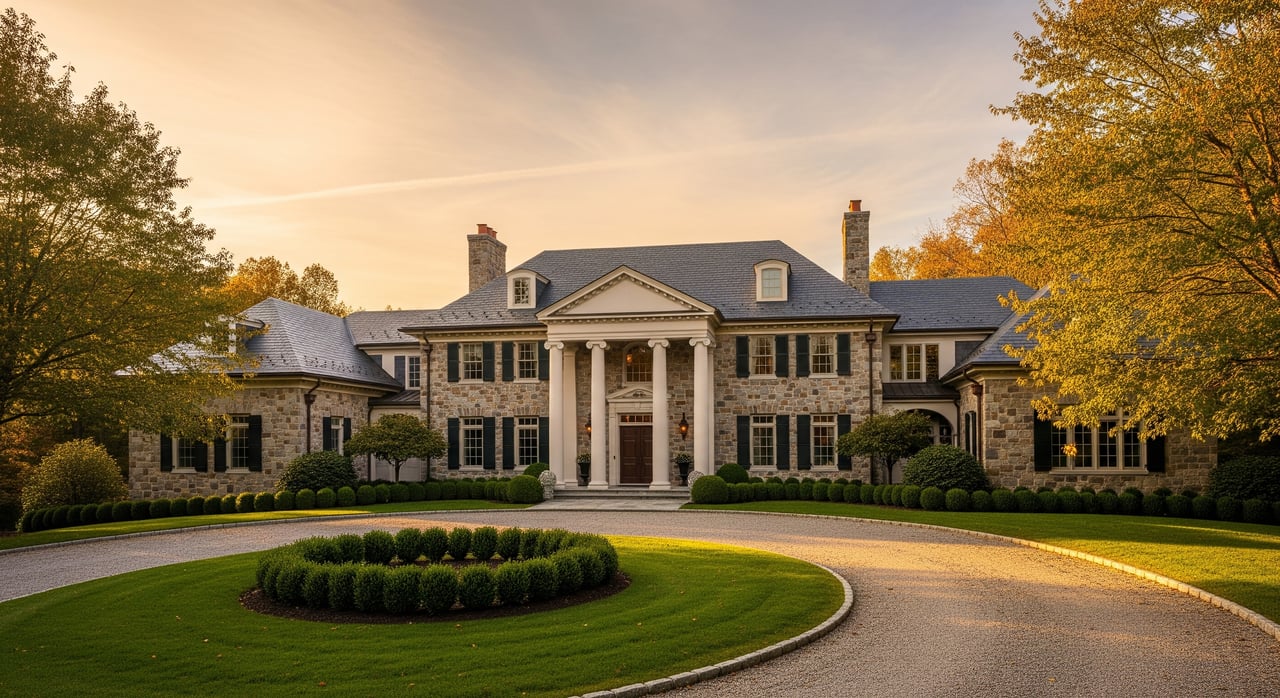
Understanding Pennsylvania Jumbo Loan Limits in Montgomery County
Shopping for a higher-end home in Gwynedd Valley or the surrounding Montgomery, Bucks, and Chester County suburbs? If the price point is above the typical range, you might be hearing the term “jumbo loan” and wondering what it means for you. You want clarity so you can plan your purchase with confidence and avoid surprises at underwriting. In this guide, you’ll learn what defines a jumbo loan, how lenders evaluate these mortgages, and practical ways to qualify without overextending. Let’s dive in.
A jumbo mortgage is any conventional loan amount that exceeds the conforming loan limit set each year by the Federal Housing Finance Agency. Conforming loans follow Fannie Mae and Freddie Mac rules, while jumbos are funded by private or portfolio investors. Because they are not agency-backed, jumbo loans often come with stricter credit, documentation, and reserve requirements.
Conforming limits change annually and can vary by county. You should confirm the current year’s limit for Montgomery, Bucks, and Chester counties before you shop. Your lender will verify the applicable limit and explain how it affects your maximum loan amount.
Gwynedd Valley and nearby suburbs include many higher-priced single-family homes and custom properties. These homes can push loan amounts above conforming limits, which makes jumbo financing more common. Properties with unique features or acreage may also require more detailed appraisals and careful lender review.
You will find a mix of lending options in the Philadelphia suburbs, including regional banks, local credit unions, mortgage brokers, and national lenders. Each may have different appetite for jumbo loans, so shopping lenders can make a real difference in terms, documentation, and reserves.
Many jumbo lenders prefer credit scores in the 700 to 740-plus range. Debt-to-income ratios commonly need to be at or below 43 to 45 percent. Full income documentation is standard, including recent pay stubs, W-2s, and tax returns. Self-employed buyers typically provide two years of personal and business returns, plus a year-to-date profit and loss statement.
Jumbo programs often require 10 to 20 percent down, with stronger pricing and options at lower loan-to-value tiers. A larger down payment can open better terms and reduce overall risk. Lender rules vary, so ask how different down payment levels affect rate and reserves.
Expect lenders to verify assets in detail and to require 6 to 12 months of reserves, measured as principal, interest, taxes, and insurance. Some situations call for more, especially for investment properties or unique homes. Lenders can count checking, savings, brokerage accounts, and certain retirement funds, but they will review liquidity, access, and any penalties.
Jumbo rates are set by private investors and can be slightly higher than conforming. In some markets and profiles, jumbo pricing can be competitive or even lower. Your individual credit, LTV, and reserves will influence the final rate.
Luxury and custom homes may need deeper appraisal analysis or additional comparable sales. Some lenders limit certain property types. If your home has unique features, talk with your lender and agent early so appraisal expectations are aligned.
| Feature | Conforming (Fannie/Freddie) | Jumbo (non-conforming) |
|---|---|---|
| Definition | Loan amount at or below the county’s conforming limit | Loan amount above the conforming limit |
| Eligible investors | Fannie Mae and Freddie Mac | Portfolio and private investors |
| Typical maximum loan amounts | Up to the FHFA limit | Above the conforming limit, subject to lender caps |
| Credit score | Often 620-plus | Common minimum 700 to 740-plus |
| DTI | Usually up to about 45 percent | Commonly 43 to 45 percent |
| Down payment / LTV | As low as 3 to 5 percent for some programs | Often 10 to 20 percent down |
| Reserves | Often 0 to 6 months | Commonly 6 to 12-plus months |
| Mortgage insurance | Available at higher LTV | No standard MI; pricing reflects risk |
| Interest rates | Agency-driven and widely available | Set by private investors and can vary |
| Documentation | Standardized per agency rules | Full documentation with extra asset review |
| Property eligibility | Standard property types | May limit certain unique property types |
| Government guarantee | Indirect via agency purchase | No agency guarantee |
| Availability | Broad across lenders | Varies by investor and lender appetite |
Look for lenders that regularly close jumbo loans in the Philadelphia suburbs. Portfolio lenders and local banks can be helpful on homes with fewer nearby comps, while mortgage brokers can shop multiple investors at once. Always ask about credit score floors, reserve expectations, and how down payment tiers affect pricing.
A strong pre-approval that includes tax returns and asset verification will make your offer more compelling to sellers. It also helps you avoid last-minute underwriting delays as you move toward closing.
If you want a calm, expert partner for your next move in Gwynedd Valley or the surrounding suburbs, let’s talk. As a boutique advisor backed by Coldwell Banker Global Luxury, Nicole Miller-DeSantis brings deep local knowledge, premium marketing, and negotiation you can trust.
Stay up to date on the latest real estate trends.
Nicole Miller-DeSantis serves the Philadelphia suburbs and is knowledgeable about many areas, particularly the towns in the counties of Montgomery, Delaware & Chester