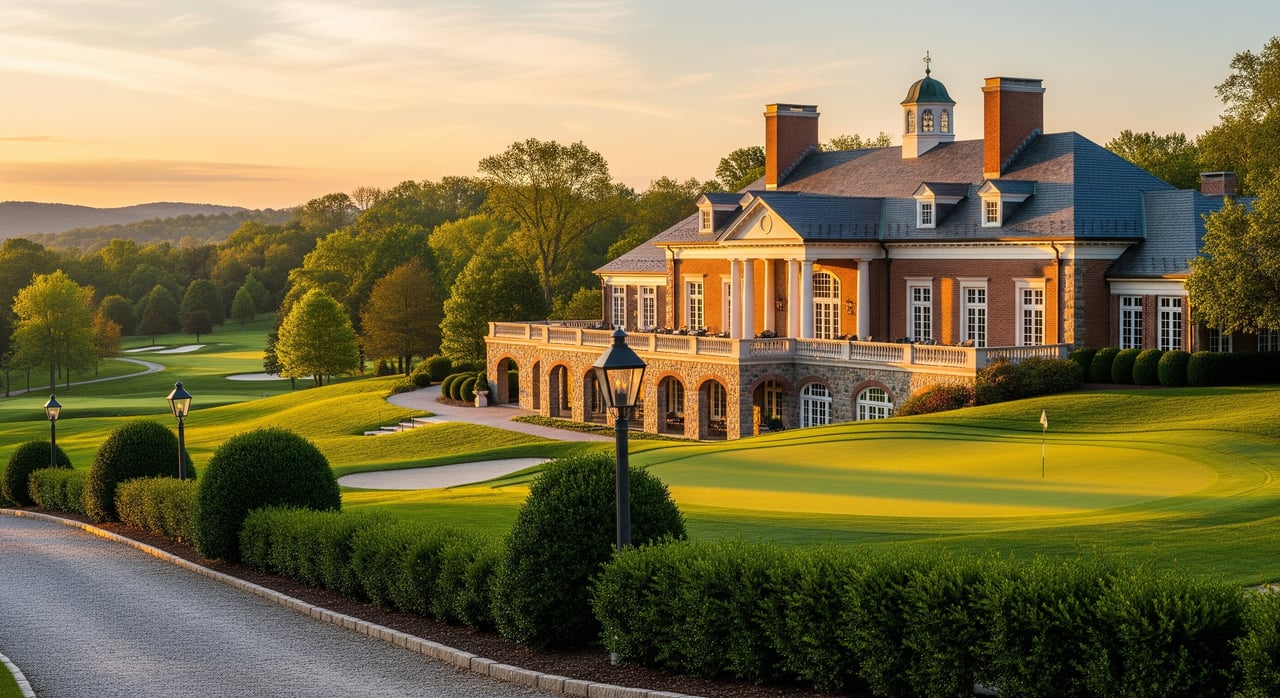
Horsham Country Club Communities Explained for Buyers
Picture your weekend starting with a tee time, a swim, or dinner steps from home. If you are exploring homes in Horsham or nearby Ambler, you have likely seen listings that mention “country club living.” It sounds simple, but the setup behind these neighborhoods can be complex. In this guide, you will learn how these communities work locally, what to ask before you buy, and how to verify the details so you can move forward with confidence. Let’s dive in.
A country club community pairs homes with access to a private club offering golf, tennis, pools, dining, and social events. In the Ambler and Horsham area of Montgomery County, you will find both planned developments tied to a club and established neighborhoods that later arranged access.
Each community is different. Some offer optional club membership. Others may have membership requirements written into their governing documents. That is why your review of the documents and costs matters before you commit.
Most country club neighborhoods involve two separate entities. The homeowners association (HOA) manages community property matters. The club runs golf, tennis, dining, and events. They have different boards, budgets, and rules.
For a quick primer on association living and what to review, explore the Community Associations Institute’s buyer resources on CAI’s website. You can also find general consumer guidance through the National Association of REALTORS.
Ask for these items during your contingency period so you can confirm costs, obligations, and risk:
The membership structure shapes your costs and lifestyle. Here are the common setups you will see around Ambler and Horsham.
Clubs often offer multiple tiers. Typical options include full golf, social, tennis or racquet-only, and junior categories. Initiation fees, monthly dues, and access windows vary by tier and can change over time.
Amenities may include an 18-hole course and pro shop, pool complexes, tennis or pickleball courts, fitness centers, dining rooms, and youth programs. Some facilities are run by the club and others by the HOA, so confirm who maintains and funds each item.
Access rules matter. Ask about guest policies, tee time reservations, peak hour limits, blackout dates, and whether non-member residents can pay day rates for certain amenities. If there is a waiting list, get it in writing along with expected timelines.
Country club living involves ongoing costs. Your goal is to understand fees today and the likelihood of increases or special assessments.
For broader context on association questions to ask, see NAR’s consumer-facing resources on association living.
A well-run club with strong programming can boost appeal for many buyers. Mandatory fees or unclear rules may narrow the buyer pool. Appraisers will value the home and community amenities, but club prestige is hard to quantify.
Lenders consider all monthly obligations, including HOA dues and any mandatory fees, when calculating your debt-to-income ratio. Some loan programs will ask for an HOA estoppel and confirmation of litigation status. Initiation fees are typically treated as personal expenses unless the membership is transferable with the property. Confirm specifics with your lender.
Always verify taxes, assessments, and recorded liens through county records. The Montgomery County site offers access to property and assessment information.
Use this list during your contingency window to minimize surprises.
For additional Pennsylvania-focused guidance, the Pennsylvania Association of REALTORS offers resources about state-specific practices.
The Ambler and Horsham area includes several communities and clubs. Talamore Country Club is a well-known local example. Each neighborhood’s relationship to a club can be different, so verify whether membership is optional, mandatory for certain homes, or fully separate from the HOA. Ask the listing agent for the exact documents tied to the property you are considering.
Choosing a home near a country club is about more than fairways and views. It is about understanding the governing documents, the financials behind the amenities, and how the setup fits your lifestyle and budget. As a Blue Bell native serving Ambler, Horsham, Lower Gwynedd, Whitpain, and surrounding Montgomery County suburbs, I help you gather the right documents, evaluate the numbers, and negotiate with clarity.
If you are comparing neighborhoods or preparing to buy, let’s talk through your options and build a plan. Schedule your consultation with Nicole Miller-DeSantis.
Stay up to date on the latest real estate trends.
Nicole Miller-DeSantis serves the Philadelphia suburbs and is knowledgeable about many areas, particularly the towns in the counties of Montgomery, Delaware & Chester