Pricing a luxury home wrong can cost you time and money. If you are preparing to sell in Gwynedd Valley, you want a clear, data-backed number that attracts qualified buyers without leaving money on the table. You also want to understand the why behind the price so you can list with confidence. In this guide, you will see exactly how we price high-end homes in Gwynedd Valley, how we adjust for amenities and acreage, and how market speed shapes strategy. Let’s dive in.
Why luxury pricing is different
Luxury homes in Gwynedd Valley are not one-size-fits-all. Inventory is often thin, features are unique, and demand can shift quickly. Crossing into nearby parts of Bucks or Chester counties can also change tax rates and school district assignments, which can influence buyer pools and comparables.
Buyers at this level expect privacy, quality finishes, thoughtful updates, and outdoor living. That means your pricing should reflect both the home’s measurable facts and the value buyers place on lifestyle features. A careful, transparent method gives you that edge.
Our step-by-step pricing process
Define the luxury segment
- Identify where your home sits in the local price distribution, typically the top 5 to 10 percent for the area.
- Confirm the relevant submarket around Gwynedd Valley, noting municipal boundaries and school district assignments that may impact demand.
- Decide the initial comp pool based on how your home aligns with the area’s luxury set.
Select micro-comparables
- Start within 0.5 to 1.5 miles and expand only as needed.
- Use a 6 to 12 month window for recent activity, extending to 12 to 24 months if inventory is thin.
- Match property type and style, lot size and setting, bedroom and bath counts, and functional spaces like finished basements and garage capacity.
- Include a mix of statuses: closed sales for value, pending for momentum, active for competition, and withdrawn or expired to flag overpricing.
Quantify and adjust
- Build a simple comp matrix with price, days on market, sale date, gross living area, lot size, bed and bath counts, condition, upgrades, basement status, garage spaces, and key amenities.
- Apply objective adjustments using two common tools:
- Dollar-per-square-foot adjustments for size differences when finishes are similar.
- Percentage or paired-sale adjustments for discrete features like pools, acreage, and renovation level.
- Document your rationale for each adjustment so the final price is clear and defensible.
Time and trend adjustments
- If the market moved since a comp sold, consider a time adjustment using recent local trend indicators from the broader area.
- For luxury segments with limited turnover, lean on broader trend measures and explain limitations.
Weight and reconcile
- Give the most weight to the most similar and most recent closed sales.
- Use pending and active listings as signals for buyer tolerance and current competition.
- Produce a value range and recommend a list price within that range, aligned to strategy: aggressive, market, or conservative.
- Include a probable days-on-market estimate and expected sale price net of typical concessions.
Verify and source
- Use Bright MLS for real-time sold, pending, and active data.
- Pull lot and legal details from Montgomery County property records.
- Reference Appraisal Institute guidance for adjustment best practices, and consult local appraisers on complex features.
- Note zoning and planning items that can affect value, such as impervious coverage or expansion potential.
Use market velocity to position price
Absorption rate shows how fast the market is moving. Months of supply equals current active listings divided by average monthly sales. As a general rule, around six months is balanced. Less than six can signal a seller’s market with room to test the top of your range. More than six can indicate a buyer’s market where you should price near the lower end of the justified range.
We track months of supply and average days on market in your specific price band. If demand is rising into spring, we may price toward the top of your range with a pre-set check-in for feedback and activity. If inventory is building, we lean into precision and differentiation so your home is the value and the story buyers cannot ignore.
Acreage and amenities: smart adjustments
Not all acres are equal. In suburban luxury markets, the first acre often carries a stronger premium than additional acres. The marginal value usually declines as lot size grows. We compare sales with similar home size and different lot sizes to estimate the local per-acre premium. If a property’s acreage supports a special use, like equestrian facilities, we document that niche appeal and account for it.
Pools and outdoor living can be high-value amenities when design and condition align with buyer expectations. Where paired sales suggest a premium, we capture it. For older or deferred-maintenance pools, we factor in buyer hesitations. Outdoor kitchens, patios, and sport courts are quantified either by paired sales or a percentage premium when the market supports it.
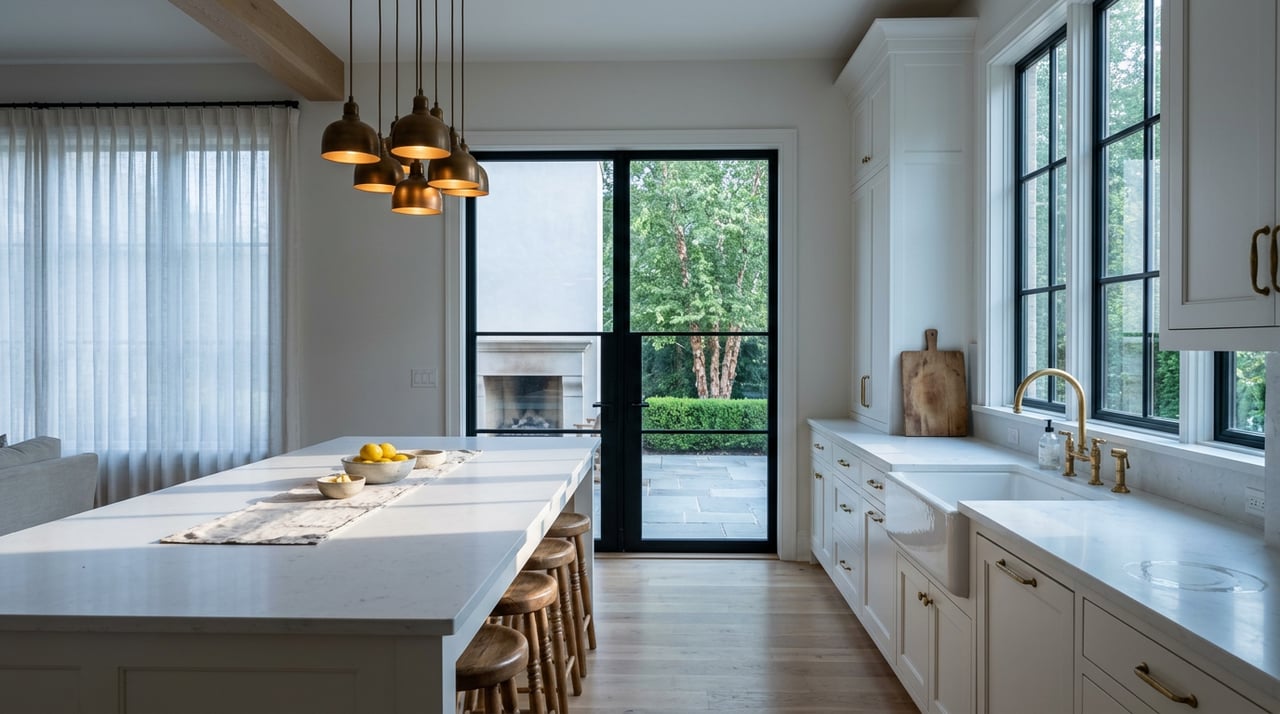
Interior updates matter. A chef’s kitchen, modernized baths, or a renovated primary suite can earn a premium when finishes match the segment. Updated mechanical systems, roof, electrical, and septic or sewer are often baseline expectations at this level. Lacking these updates can reduce your buyer pool and affect price.
Align price with the story
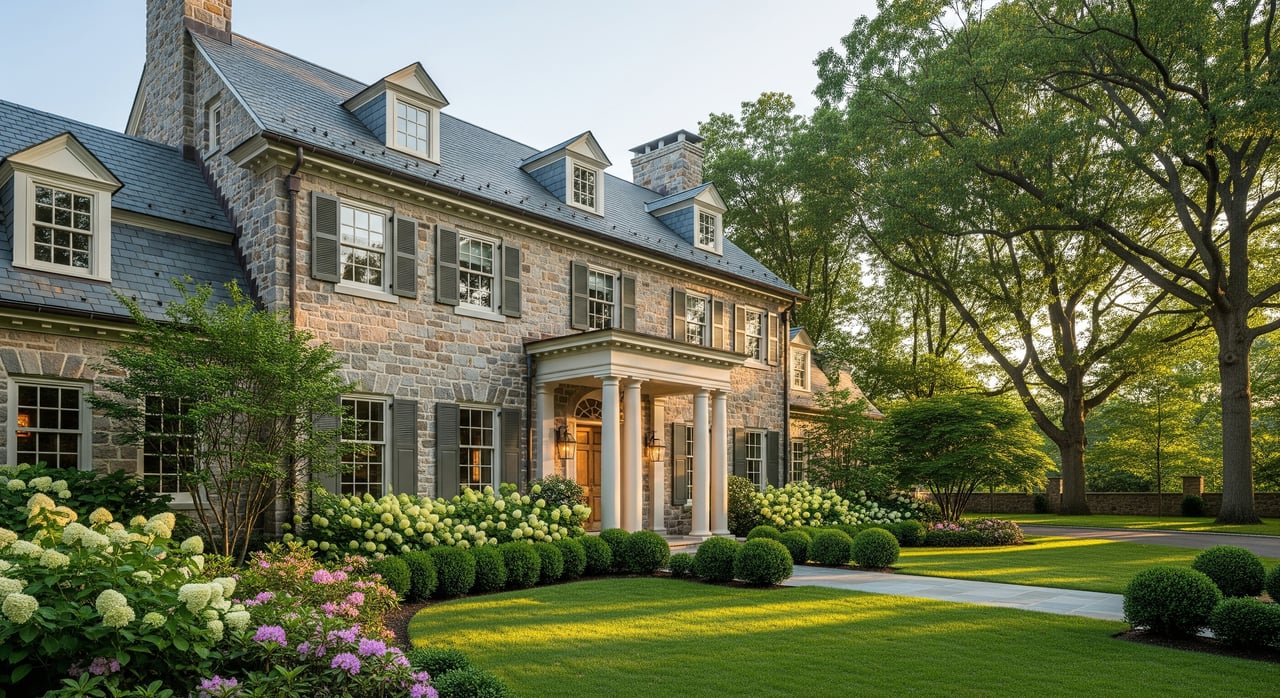
Price and narrative should work together. The number needs to be supported by data, and the marketing needs to spotlight the features buyers value most. We position your home’s headline features so buyers understand the premium: private setting, acreage, renovated kitchen, spa-like primary suite, or resort-style outdoor living.
Our boutique process pairs that positioning with staging, premium photography, and polished digital presentation across Coldwell Banker Global Luxury channels. The result is a clear story that justifies the price and moves qualified buyers to act.
What you receive in our pricing brief
You get a concise, transparent snapshot of value and strategy you can trust. Here is what our brief includes:
- Executive summary with recommended list price, strategy alternatives, expected days on market, and a net proceeds estimate.
- Subject property snapshot covering beds, baths, square footage, lot size, major upgrades, utilities, and notable amenities.
- Local market context with recent sales activity in your price band, inventory, and days-on-market trend notes.
- Comparable matrix with 3 to 6 comps, each with status, price, date, adjustments summary, and net adjusted value.
- Adjustment rationale that explains major line items like size, lot, pool, and condition.
- Pricing reconciliation and sensitivity that outlines the value range and shows what happens if you price above or below the recommendation.
- Marketing and positioning notes, including headline angles, target buyer segments, and staging and photography suggestions.
- Seller action items and timeline to protect price, like light repairs, maintenance, and pre-listing prep.
How we present price at showings
Your price needs to hold up in the living room, not just on paper. We prepare concise talk tracks that match the data:
- Opening: “We priced based on the closest recent sales, adjusted for the renovated primary suite and the one-acre lot.”
- Feature mapping: “This kitchen’s layout and appliance package align with what buyers paid a premium for in a nearby sale.”
- Lot and outdoor: “The private yard and built outdoor living support the premium we are asking.”
- Handling questions: “We can show the comp matrix and the adjustments behind this price. If market feedback suggests a change, we have a clear plan and timeline.”
When comps are limited
Luxury segments often have small sample sizes. If there are few ideal comps, we expand radius and time windows carefully while noting the increased uncertainty. We may also include less similar properties with heavier adjustments but clearly document why. We then run sensitivity scenarios so you understand how the price might shift if one outlier comp were removed.
Risk checks and compliance
We verify zoning, easements, taxes, and school district assignments because these details can affect demand and appraisals. We also encourage early collaboration with a local appraiser for complex properties or significant acreage. Throughout the process, we follow Fair Housing and disclosure rules, and we present school and neighborhood information in neutral, factual terms.
Ready to price your Gwynedd Valley home?
You deserve a price that is both compelling and defensible. With deep local knowledge, luxury-grade marketing, and a transparent method, we help you list with confidence and close with certainty. If you are thinking about selling in Gwynedd Valley or nearby Montgomery, Bucks, or Chester counties, let’s talk about your home’s strategy. Connect with Nicole Miller-Desantis to schedule your private consultation.
FAQs
How do you price a luxury home in Gwynedd Valley with few comps?
- We widen the search radius and time window carefully, use a mix of statuses, apply documented adjustments, and provide a sensitivity analysis that shows how the price changes if one or two outlier sales are excluded.
What is absorption rate and why does it matter for my listing?
- Absorption rate, or months of supply, measures how fast homes are selling; lower supply often supports pricing at the top of your range, while higher supply suggests aiming near the lower end for faster results.
How do amenities like a pool or large lot affect price?
- We estimate premiums using paired sales and percentage adjustments, recognizing that the first acre often carries more value than later acres and that pool value depends on design, condition, and buyer preferences.
Do school district boundaries change pricing near Gwynedd Valley?
- School district assignments can influence the buyer pool and comparable selection, so we verify district data for each property and reflect it in the comp set and adjustments.
Should I list high and plan to reduce later?
- Starting well above market can reduce early engagement and extend days on market, which often lowers your final sale price, so we recommend a data-backed price with a clear review plan.
What sources do you use to support the price?
- We rely on Bright MLS data for sold and active listings, Montgomery County property records for lot and legal details, Appraisal Institute practices for adjustments, and local appraisers for complex features.