Flourtown Homes and Neighborhoods for Today’s Buyers
If you are thinking about buying in Flourtown, one of the first things you will notice is that this small Montgomery County community offers more variety than many buyers expect. On one street, you may find an older stone home with deep character and a larger lot. A few minutes away, you may see a mid-century detached house or a newer townhome built for lower-maintenance living. Understanding those differences can help you focus your search, compare value more clearly, and choose the right fit for your lifestyle. Let’s dive in.
Flourtown is part of Springfield Township on Philadelphia’s northwest edge in southeastern Montgomery County. Springfield Township describes it as a compact community tied historically to the milling industry along Wissahickon Creek, and it sits just over the border from Chestnut Hill and Mount Airy.
That setting shapes the way buyers experience the area. Rather than a long list of large planned neighborhoods, Flourtown tends to feel like a collection of established streets, smaller pockets, and corridor-based housing patterns. For you as a buyer, that means home style and location often matter more than neighborhood name alone.
A helpful way to understand Flourtown is to think of it as three overlapping markets. Each one offers a different mix of character, maintenance, price point, and lot size.
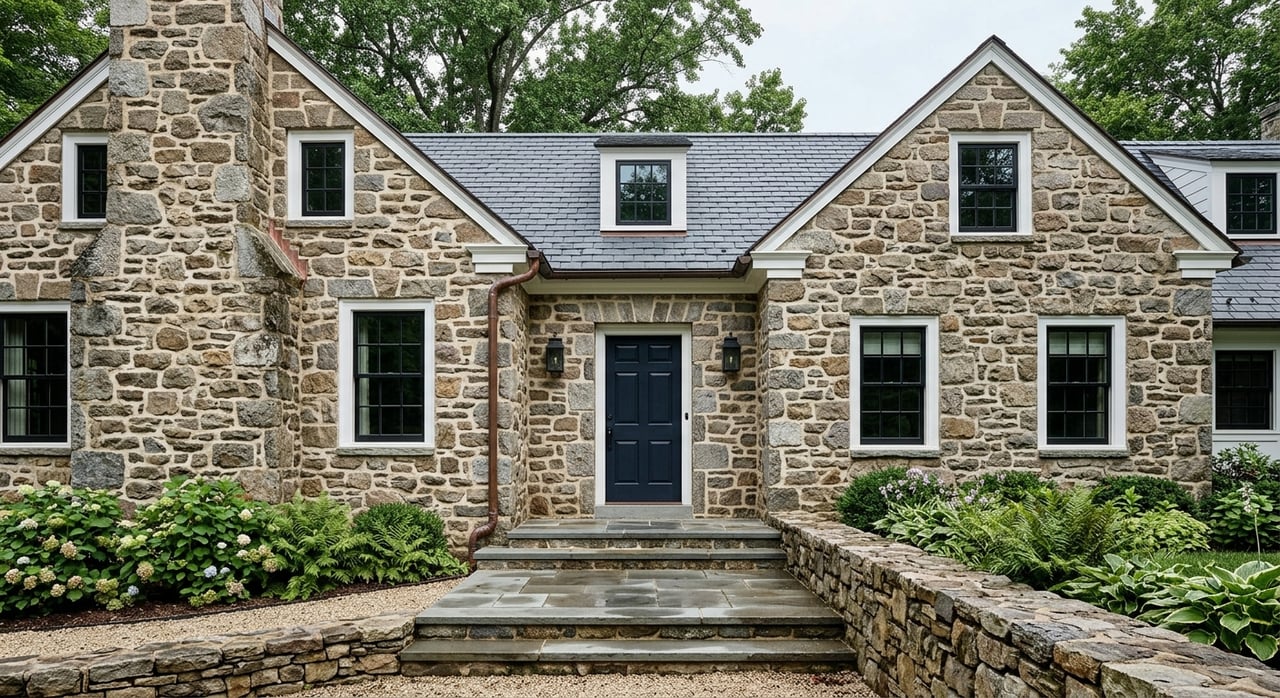
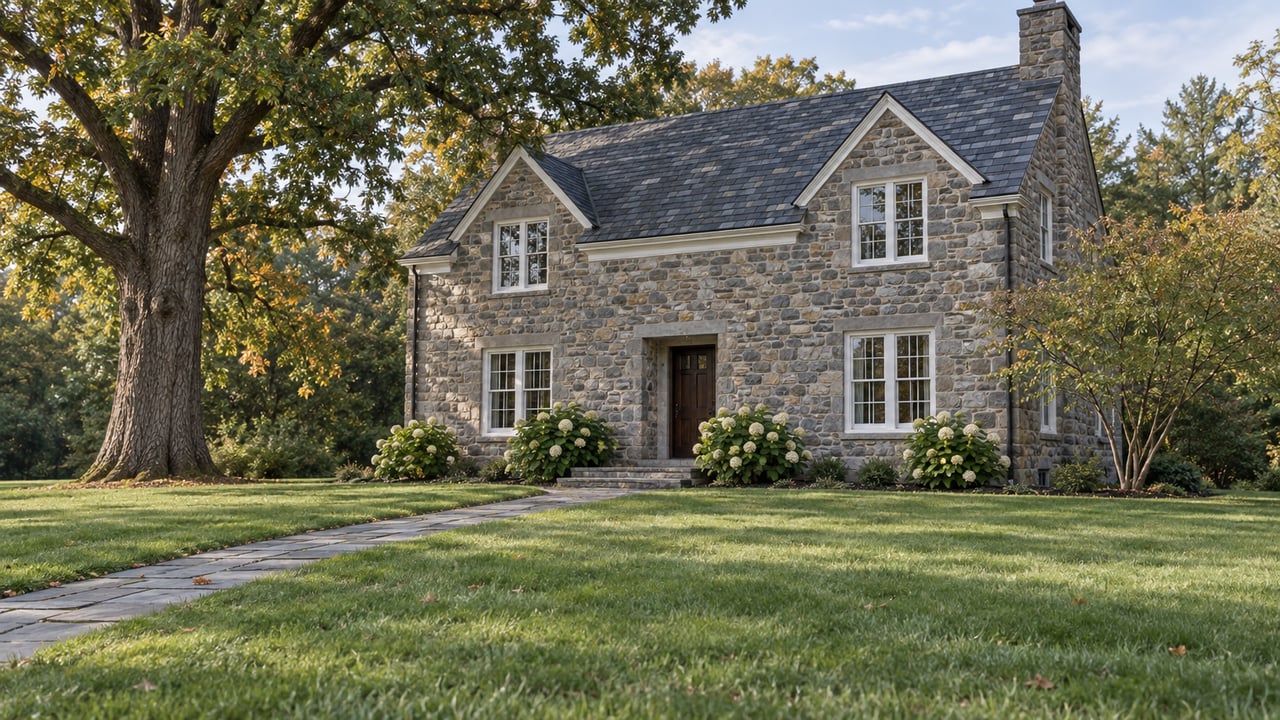
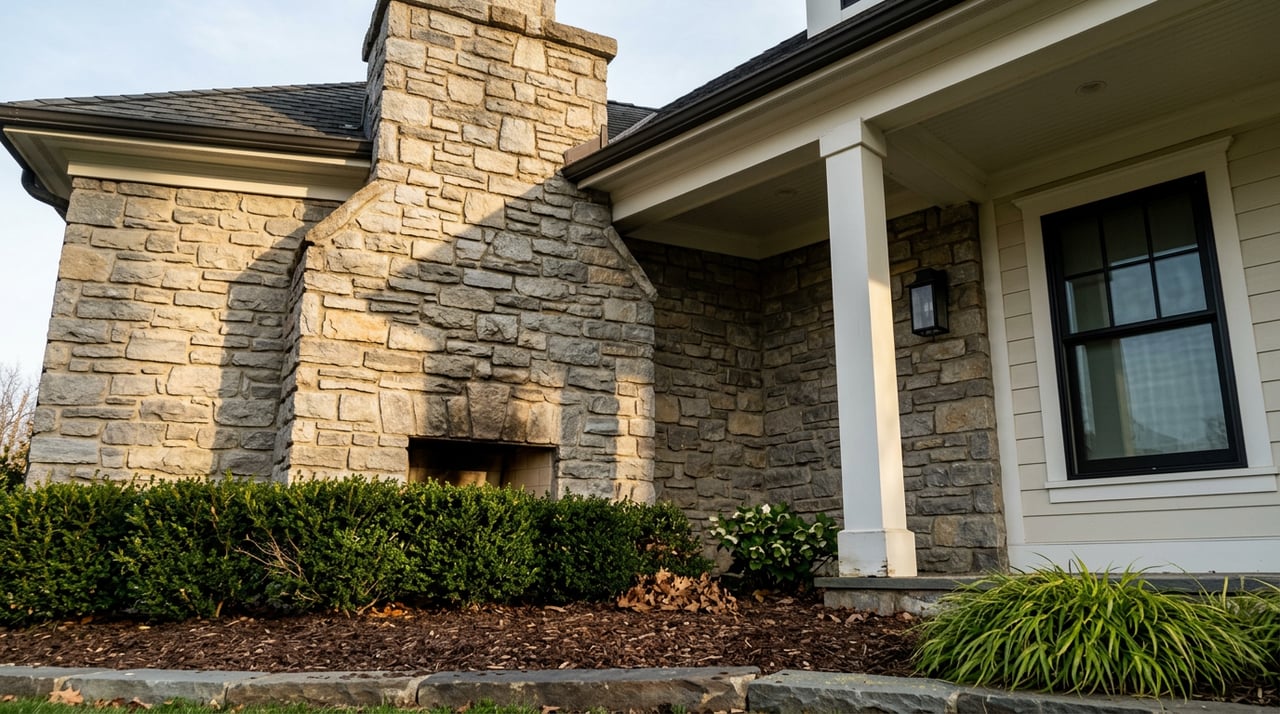
Some of Flourtown’s most distinctive homes appear along the E Mill Road, W Mill Road, and Valley Green Road corridors. These properties often stand out for stone exteriors, larger lots, mature landscaping, and architectural detail that is harder to find in newer housing stock.
Current examples in the market snapshot show how substantial these homes can be. One E Mill Road property dates to 1820 with more than 4,100 square feet on about 0.54 acres, while another 1937 stone-and-stucco manor offers more than 8,700 square feet on 2.28 acres. If you are drawn to history, curb appeal, and one-of-a-kind design, this is the part of Flourtown worth watching closely.
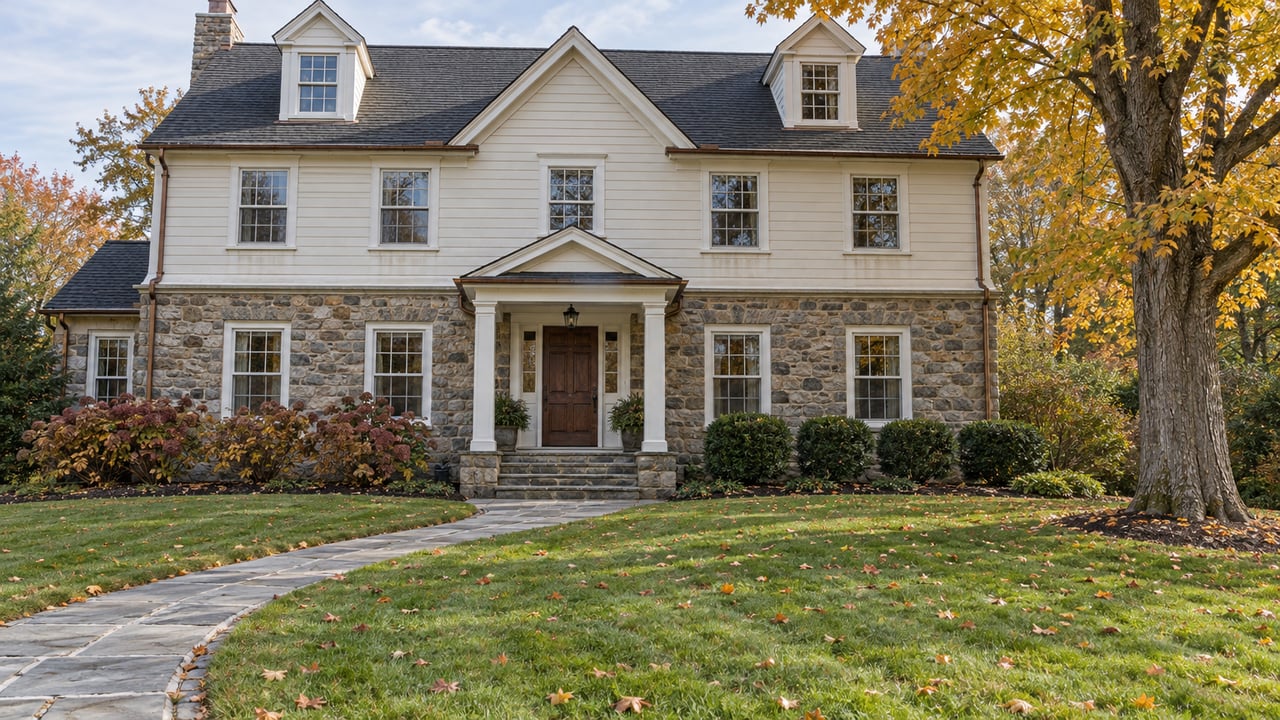
Flourtown also has a strong supply of more conventional suburban detached homes. These tend to appear on streets such as Highland Avenue, Springfield Avenue, Poplar Road, Buttonwood Road, Sycamore Lane, and Hemlock Road.
In many cases, these homes offer a practical middle ground. You may get a traditional single-family layout, established lots, and a location within an older suburban street pattern, often at a lower price than Flourtown’s larger stone homes. A recent example from 2025 was a 1957 four-bedroom home on E Mill Road that sold for $615,000, while nearby values on surrounding streets generally ranged from the mid-$400,000s to the upper-$800,000s depending on size, updates, and lot size.
If your priority is lower-maintenance living, Flourtown also has a meaningful townhome and new-construction segment. The clearest current examples are in the Creekside Drive and Pennybrook pockets.
These homes often appeal to buyers who want newer finishes, modern layouts, and less upkeep. That convenience usually comes at a premium. Current snapshots show townhomes ranging from roughly $699,990 to $1.75 million, and new-construction homes with a median listing price of $779,990 and an average of about 20 days on market.
Because Flourtown is compact, buyers often search by street pattern rather than by formal subdivision. That makes it especially important to know where certain home types tend to appear.
If you are searching for historic stone homes, estate-style properties, or houses with a stronger architectural presence, start with E Mill Road, W Mill Road, and Valley Green Road. These areas show the clearest concentration of Flourtown’s older and more distinctive housing stock.
If you want a classic suburban detached home, focus on streets like Highland Avenue, Springfield Avenue, Poplar Road, Buttonwood Road, Sycamore Lane, and Hemlock Road. These areas better reflect the mid-century and traditional single-family side of the market.
If you prefer newer construction or townhome living, Creekside Drive and Pennybrook are the most obvious areas to watch. These sections offer some of the clearest lower-maintenance choices currently available in Flourtown.
Flourtown has a wide price range, which is why style and lot size matter so much. Realtor.com’s current snapshot shows a median listing price of $989,995, a median list price of $323 per square foot, 21 days on market, and 31 active listings.
That top-line number only tells part of the story. In real terms, Flourtown can span from the low-to-mid $600,000s for some detached homes to nearly $3 million for larger stone estates. A buyer comparing homes here should be careful not to assume that all parts of the market move the same way.
Here is a simple way to think about it:
| Home type | Typical price picture in current snapshot |
|---|---|
| Mid-century detached homes | Often from mid-$400,000s to upper-$800,000s depending on size and condition |
| Newer townhomes | Roughly $699,990 to $1.75 million |
| Historic stone and estate homes | Around $1.45 million to nearly $3 million in current examples |
Flourtown also tends to sit below Chestnut Hill on pricing while still coming in above several nearby suburban markets. For many buyers, that creates an appealing middle ground if they want proximity to Philadelphia and established housing stock without stepping fully into Chestnut Hill pricing.
In Flourtown, property taxes are an important part of the monthly carrying cost. Springfield Township’s 2026 real estate millage rate is 5.008 mills, and Montgomery County’s current table places Springfield Township’s overall millage at 51.6164 mills.
You can also see the effect in real listing examples. Recent annual tax amounts include $9,130 for one E Mill Road home, $14,026 for another, and $23,695 for a larger estate property. As home size and assessed value increase, the tax impact can rise quickly.
For buyers comparing Flourtown with nearby Philadelphia neighborhoods such as Chestnut Hill, there can also be a tax-structure difference. Living in Flourtown means you are outside Philadelphia’s resident real-estate and wage-tax structure, though if you work in Philadelphia, the non-resident wage tax may still apply. That distinction is one reason some buyers look closely at Flourtown when comparing border-area communities.
A home search is never only about the house. Daily convenience also matters, especially if you want an area where errands and services are easy to reach.
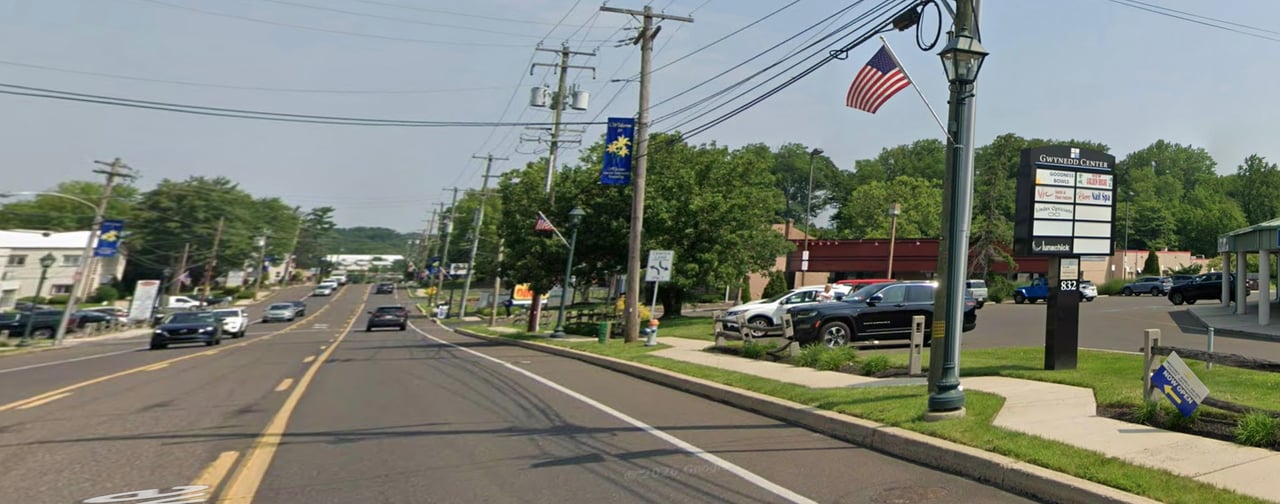
In Flourtown, much of that routine convenience centers on Bethlehem Pike. The GIANT at 1874 Bethlehem Pike offers grocery, pharmacy, gas, Starbucks, and pickup and delivery service, while Springfield Township also maintains a free library on Hawthorne Lane and a local parks and recreation system.
For many buyers, that mix supports the appeal of an established suburb with practical amenities close at hand. You get a compact community feel, but you still have access to the everyday services most households rely on.
The School District of Springfield Township serves close to 2,600 students in four schools. For many buyers, school attendance boundaries are part of the early research process because they can influence housing demand and shape how people compare one location to another.
If schools are part of your decision-making, it is smart to verify attendance details directly as you narrow your search. In a compact market like Flourtown, small location differences can matter when you are comparing homes and long-term plans.
The best Flourtown home for you depends on what you value most day to day. Buyers are often balancing four priorities here: character, lot size, maintenance level, and ongoing carrying costs.
You may want to ask yourself:
When you answer those questions first, the market becomes easier to read. Instead of searching broadly, you can focus on the part of Flourtown that best matches your lifestyle and budget.
Flourtown is a nuanced market, and that is exactly what makes it appealing. In one compact area, you can find historic stone homes, established mid-century houses, and newer townhomes, each with a different value proposition. If you want clear guidance on how those options compare and which pockets best match your goals, schedule a free consultation with Nicole Miller-Desantis.
Stay up to date on the latest real estate trends.
Nicole Miller-DeSantis serves the Philadelphia suburbs and is knowledgeable about many areas, particularly the towns in the counties of Montgomery, Delaware & Chester