Downtown Ambler Living Guide for Walkability and Homes
Looking for a place where you can grab coffee, meet friends for dinner, catch a movie, and hop on the train without turning every outing into a car trip? That is a big part of what draws buyers to downtown Ambler. If you are weighing lifestyle, convenience, and housing options in this part of Montgomery County, understanding how the borough is laid out can help you make a smarter move. Let’s dive in.
Ambler is a compact borough in Montgomery County with just under a square mile of land and 6,807 residents counted in the 2020 Census. The borough and Main Street organizations describe downtown as the community’s social, cultural, and business center, with historic buildings and a mix of residential and commercial uses.
That small footprint matters in everyday life. When so much activity is concentrated near Main Street and Butler Avenue, you may be able to walk to dining, entertainment, local events, and transit rather than planning separate trips across town.
If walkability is high on your list, Ambler gives you a strong starting point. The borough’s 2020 strategic plan says sidewalks are on most streets and describes the borough as very walkable.
Pedestrian features also support that experience. The same plan points to decorative crosswalks, curb bump-outs, and ADA ramps, all of which help make getting around downtown easier on foot.
Living close to downtown can simplify the rhythm of your day. Depending on your exact location, a short walk may cover coffee, dinner, shopping, entertainment, or a community event.
That convenience is one of downtown Ambler’s biggest lifestyle advantages. Instead of treating Main Street as a destination you drive to, you may be able to make it part of your regular routine.
Downtown Ambler is not only about walking. The borough’s strategic plan notes that SEPTA’s Lansdale/Doylestown Regional Rail line and Routes 94 and 95 give residents access across the Philadelphia region with less dependence on a car.
SEPTA also describes downtown Ambler as a walkable area with restaurants, theaters, and shopping. For buyers who commute, enjoy day trips, or simply want more transportation options, that rail access can be a meaningful part of the appeal.
The station area is also evolving. In February 2026, SEPTA selected a development team for a mixed-use project at Ambler Station that is planned to include ground-floor commercial space, open space, commuter parking, and multifamily housing with an affordable component.
For buyers and sellers, that points to continued attention on the area around transit. It also supports the broader pattern of Ambler as a compact, connected downtown with a mix of uses.
One reason downtown Ambler has staying power is that it offers more than one type of outing. Ambler Main Street describes the district as a place for food, entertainment, shopping, and professional services, which helps create an active downtown environment throughout the week.
You can see that variety in the local business mix. Backyard Beans Coffee Co. offers specialty coffee, espresso drinks, pastries, breakfast sandwiches, and lunch items. Dettera brings a seasonally driven New American menu and wine-bar setting, while Bridget’s Steakhouse adds a more classic steakhouse option in the downtown core.
La Baja on Main Street adds brunch and dinner to the mix, showing how dining options are woven into the center of town. For many buyers, this kind of close-in variety supports a lifestyle that feels connected and convenient.
Downtown Ambler is not just about restaurants. The Ambler Theater has been part of the borough since 1928 and remains a key cultural anchor in the downtown experience.
Recurring events also help shape the feel of the area. Ambler Main Street highlights a calendar that includes the Farmers Market, First Fridays, Restaurant Week, the Ambler Arts & Music Festival, OktoberFest, the Auto Show, and the Christmas Parade.
If you live near downtown, these events can add energy and activity close to home. They can also make it easier to feel engaged with what is happening in town because so much of the calendar is centered in a walkable area.
At the same time, an active downtown often means more foot traffic and periodic event-related activity. For some buyers, that is a clear plus. For others, it is a lifestyle tradeoff worth considering before choosing a home near the core.
Ambler’s land-use planning shows that the borough includes more than one housing style. Single-family detached homes are the most common residential land use, but the borough also includes twin or duplex homes, single-family attached homes, multifamily housing, and mixed-use categories.
The borough also explains that town-center areas are pedestrian-oriented and that housing types in traditional residential areas are often mixed within blocks. That pattern helps explain why home searches near downtown may turn up a wider variety of property types than buyers expect.
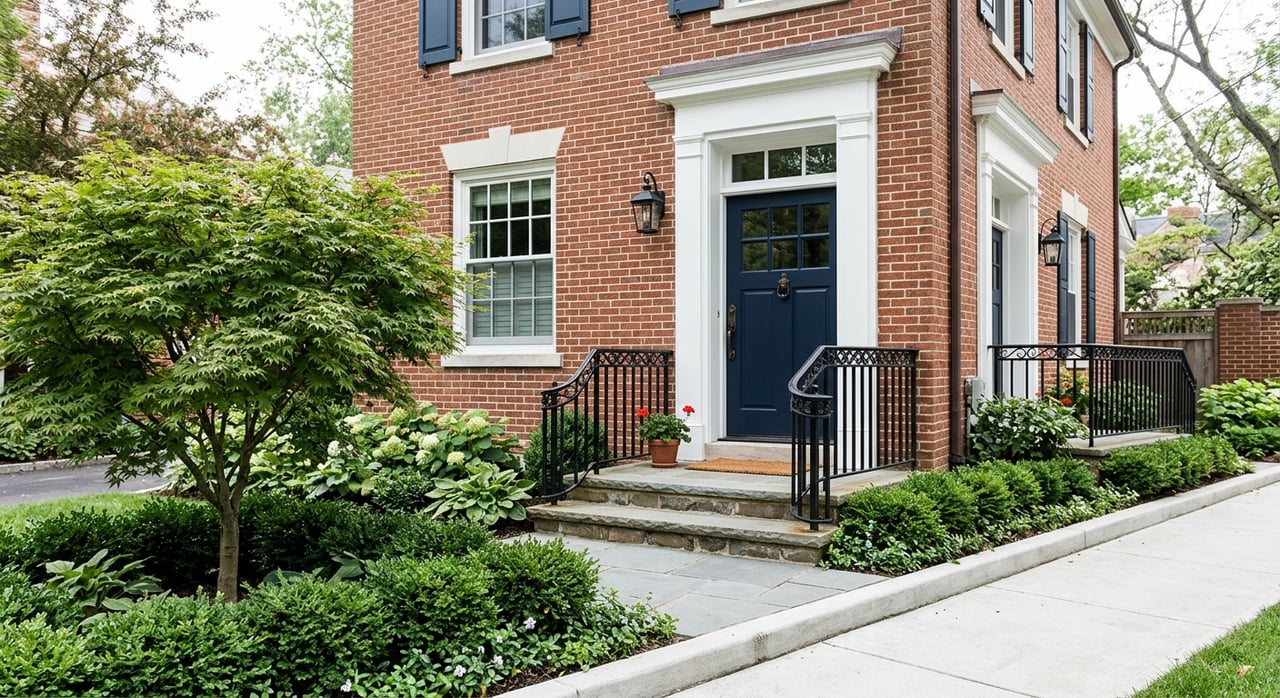
Closest to downtown, you may see a tighter street grid and a mix of older attached homes, twins or duplexes, and detached houses. On streets farther from the core, the feel may shift toward detached homes with more individual lot space and landscaping.
That does not mean every block follows the same pattern. It does mean buyers should expect variety, especially in a borough where residential and downtown uses have developed over time in a compact setting.
Ambler is largely built out. According to the borough’s open-space and land-use plan, about 8.7 percent of land is undeveloped, and much of that is along the rail corridor.
That matters because future change is more likely to come through redevelopment than large-scale new subdivision growth. The same plan anticipates that future redevelopment could add moderate- to high-density residential uses and mixed-use retail near the town center.
For buyers, that can reinforce the value of location in an established borough. For sellers, it can support continued interest in homes that offer convenient access to downtown and transit.
Borough-wide census data points to a mixed ownership market. The 2020 to 2024 owner-occupied housing rate is 49.6 percent, and the median value of owner-occupied housing units is $377,300.
Those figures do not tell the whole story for every block or price point, but they do offer useful context. If you are comparing Ambler with more purely suburban areas nearby, the downtown-adjacent market may appeal to buyers who value convenience and lifestyle as much as square footage or lot size.
The biggest advantage of living near downtown Ambler is convenience. A short walk may connect you to coffee, dining, a movie, community events, and rail transit.
The tradeoff is a more active and compact setting. Homes near the core are often closer to the street, on smaller lots, and surrounded by more pedestrian activity than homes on more suburban streets.
Here are a few smart questions to ask yourself as a buyer:
If you own a home near downtown Ambler, proximity to Main Street can be a real lifestyle asset. The borough’s Main Street program is focused on restoring and reusing older buildings, improving businesses, creating a thriving downtown, and hosting festivals and events.
The rail corridor and station area are also part of a longer-term redevelopment story. Together, those factors can help support buyer interest in close-in homes, especially when purchasers are comparing them with larger-lot alternatives farther from the center of town.
When preparing a sale, it can be especially important to position the home around how buyers live. Walkability, dining, transit access, and connection to downtown amenities may matter as much as room count or lot size for the right audience.
If you are thinking about buying or selling in Ambler, working with a local advisor who understands both the lifestyle appeal and the housing patterns can make a real difference. To plan your next move with a boutique, full-service approach, schedule a consultation with Nicole Miller-Desantis.
Stay up to date on the latest real estate trends.
Nicole Miller-DeSantis serves the Philadelphia suburbs and is knowledgeable about many areas, particularly the towns in the counties of Montgomery, Delaware & Chester