
Flourtown vs. Philadelphia Real Estate Tax Comparison
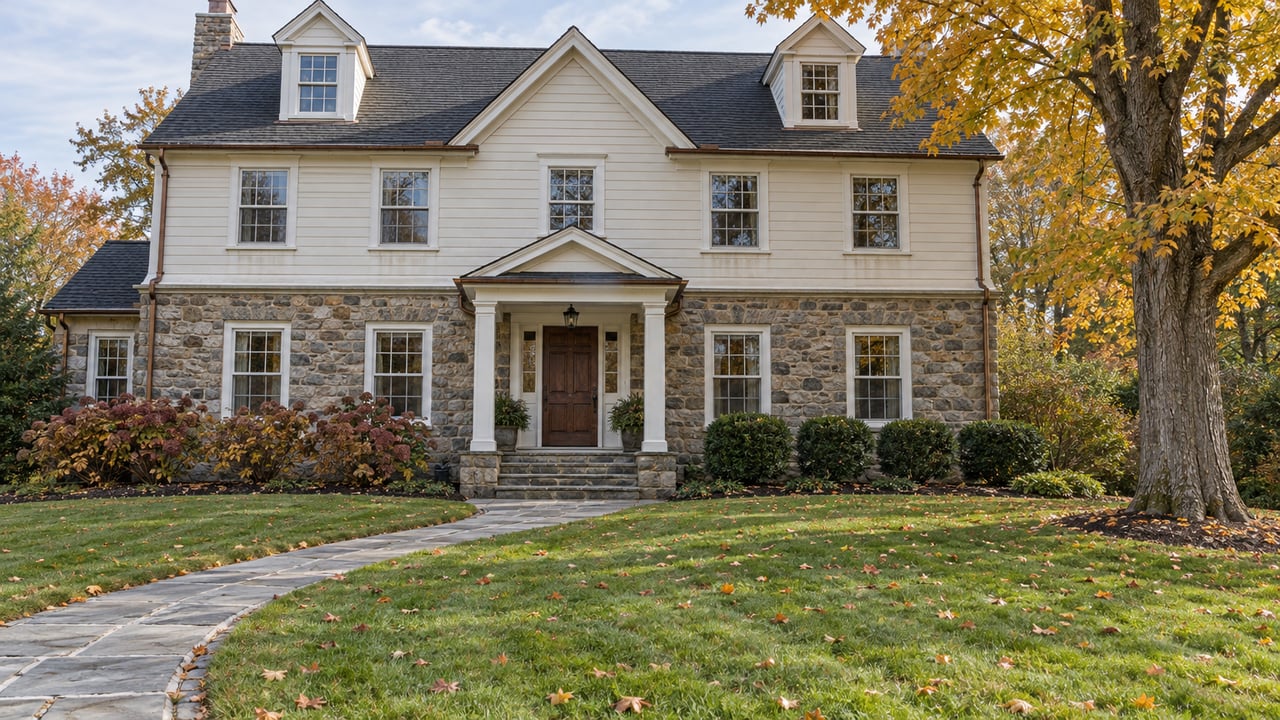
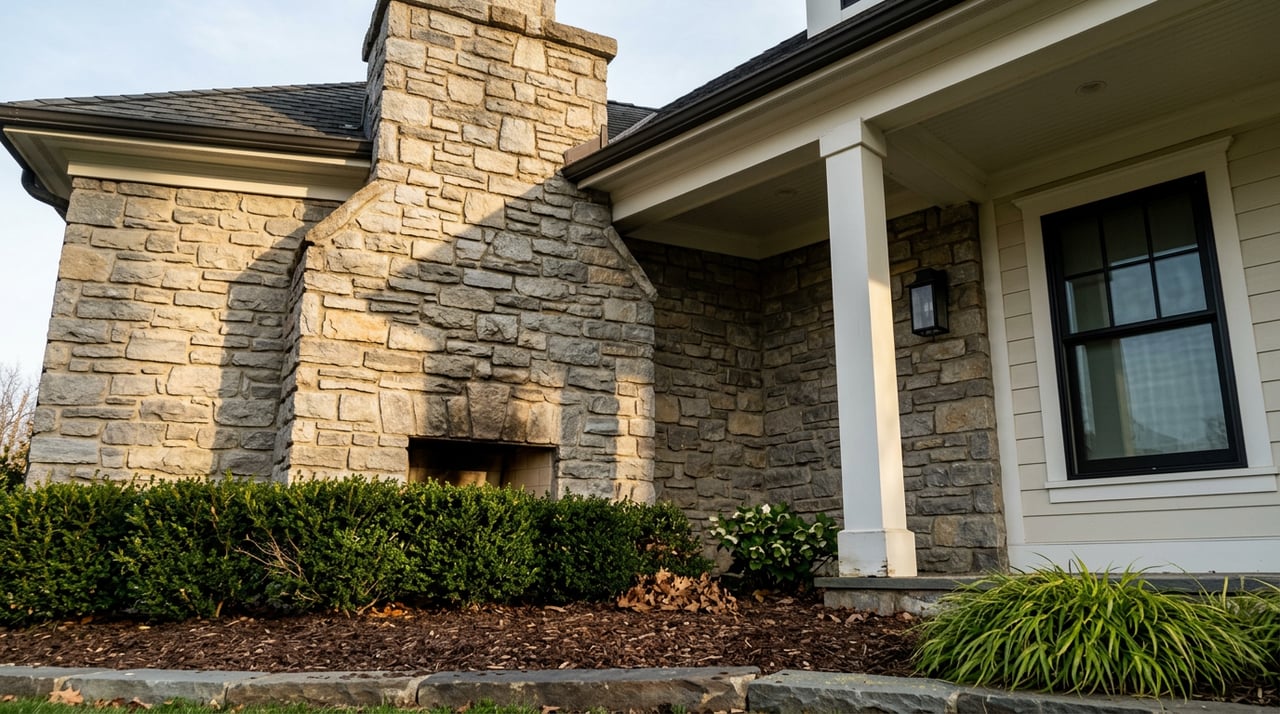
Cross the Springfield Township line in either direction and the houses barely change. Stone facades, Colonial Revivals, twin homes with deep porches built back when Bethlehem Pike was still a farm road. What changes is the tax bill, and not always in the direction buyers assume.
Every year, someone comparing a house in Flourtown to a similar one in Chestnut Hill or West Mount Airy hears the same pitch: cross the line into Montgomery County and you leave Philadelphia's wage tax behind. That part is true. It's also only half the math, and the other half shifted this year in a way that changes who actually comes out ahead.
Philadelphia residents pay a wage tax on earned income, a rate the city has been trimming gradually, moving from 3.75% toward a target of 3.70% for residents over the next several budget cycles. Springfield Township, home to Flourtown, charges a local earned income tax of 1%.
Run that against a household earning $250,000 in combined salary. In Philadelphia, the wage tax alone runs close to $9,375 a year. In Springfield Township, the 1% EIT on the same income comes to $2,500. That's roughly $6,875 a year staying in the household's pocket simply by living on the Flourtown side of the line.
For a dual-income professional household, that gap is the whole argument, and it's a legitimate one. But it only applies to earned income. Social Security, pensions, and retirement account distributions aren't touched by the wage tax in Philadelphia or the EIT in Springfield Township. For a retiree with no paycheck, this entire section of the pitch is irrelevant.
Springfield Township's Board of Commissioners adopted its 2026 operating budget in December 2025, raising the township's own real estate millage from 4.560 to 5.008 mills, only the second increase since 2021. On a typical household with a $175,400 assessed value, that specific change adds about $79 a year to the township's portion of the bill. It's a small line item on its own, but it's evidence of the direction the suburban side of this comparison is heading, not a snapshot buyers can assume stays fixed.
Zoom out and the broader property tax comparison matters more than any single millage line. Suburban Montgomery County effective property tax rates typically run in the 1.5% to 2.5% range of market value, largely because these districts fund highly regarded schools primarily through property taxes rather than a wage tax. Philadelphia's own effective property tax rate is lower, generally cited at close to 1% of market value.
Put a $700,000 home through both estimates and the suburban side can run several thousand dollars a year higher in property tax alone. For the same $250,000-income household from the wage tax example, that higher property tax bill eats into, but doesn't erase, the wage tax savings. For a retiree with no earned income to shelter from a wage tax in the first place, the property tax comparison is the entire decision, and it points the other way.
This is the part that gets skipped in most versions of the "no city tax" pitch. A retiree selling a long-held home and moving from Chestnut Hill into Flourtown isn't avoiding anything by leaving the wage tax behind, because retirement income was never subject to it. What that buyer actually faces is a straight property tax comparison, and on that comparison, the suburban side is typically the more expensive one, not the cheaper one.
This matters directly for the empty-nesters and downsizers who make up a real share of buyers moving into Montgomery County from Philadelphia's Northwest neighborhoods. The tax reasoning that makes sense for a working household with W-2 income doesn't automatically apply to someone living on Social Security and a pension. Running the actual numbers for a specific income situation, rather than repeating the general pitch, is the difference between a buyer who's pleasantly surprised at closing and one who isn't.
| Cost category | Philadelphia (Chestnut Hill / Mt. Airy) | Flourtown (Springfield Township) |
|---|---|---|
| Wage tax / local EIT on earned income | Resident wage tax, phasing down from 3.75% toward 3.70% | 1% earned income tax |
| Effective property tax rate | Roughly 1% of market value | Roughly 1.5% to 2.5% of market value |
| Realty transfer tax | Country Tax Calc reports 4.278% combined city and state | Montgomery County reports about 2% combined state and local |
Unlike the wage tax and property tax tradeoff, the realty transfer tax comparison doesn't flip based on income or life stage. The combined rate is lower on the Flourtown side.
Philadelphia charges a combined realty transfer tax of 4.278%, split between state and city, customarily divided evenly between buyer and seller. Montgomery County's combined realty transfer tax runs about 2%. On a $700,000 sale, Philadelphia's total transfer tax comes to roughly $29,946, meaning each side's customary half share is about $14,973. Montgomery County's total transfer tax on that same sale price is about $14,000, for both parties combined. One side's share of the Philadelphia tax nearly equals the entire Montgomery County bill.
That's a one-time closing cost, not an annual one, and it applies the same way whether the buyer is a working household or a retiree. It's the cleanest part of the "avoid the city" argument, because it's the only part that doesn't require knowing anything about the buyer's income.
While working through the tax math, it's worth being skeptical of Flourtown's headline home price too. Depending on which listing platform a buyer checks, the median or average has recently ranged from around $617,000 to over $780,000, with some sources showing swings of more than $150,000 within the same few months. Part of that comes from real appreciation. Part of it comes from Flourtown being a small enough market that a single closing at $1.25 million or a single closing at $530,000 can swing a monthly median hard in either direction. One recent local market snapshot showed a month with only three closings total, spanning that exact range. A median built from three sales isn't a market, it's a coin flip, and it shouldn't be the number that anchors a buyer's tax math or their offer strategy.
None of this changes what makes Flourtown appealing day to day. It's still a town with the Flourtown Farmers Market for weekend produce runs, Bysher Fields Park hosting Springfield Little League through the summer, the Flourtown Swim Club for anyone who wants a pool without a backyard one, and a walk or short drive into Chestnut Hill's shops and restaurants without leaving Montgomery County. Those are the reasons people want to live here. The tax structure is a separate question, and it deserves its own honest math rather than a repeated assumption.
Does Philadelphia's wage tax apply to retirement income? No. The wage tax applies to earned income from employment and self-employment. Social Security, pensions, and retirement account distributions aren't subject to it, which is exactly why the wage tax argument doesn't move the needle for a retiree comparing Philadelphia to Flourtown.
Is Springfield Township's 2026 millage increase a one-time adjustment or an ongoing trend? The township's Board of Commissioners noted this was only the second such increase since 2021, which suggests it hasn't been an annual occurrence. That said, buyers should confirm the current year's rate directly with the township before finalizing a purchase, since budgets are adopted annually.
How is Philadelphia's realty transfer tax customarily divided? Philadelphia's customary practice is an even split between buyer and seller.
Running this math against your specific income, your specific price range, and a specific home in Flourtown is the kind of conversation worth having before you write an offer, not after you've closed. Nicole Miller-DeSantis works this market block by block and can walk you through exactly what a move across this particular line would cost, and save, given your situation. Schedule a free consultation to talk it through.
This article is general information, not legal, tax or financial advice. Consult a qualified professional about your situation.
Stay up to date on the latest real estate trends.





Nicole Miller-DeSantis serves the Philadelphia suburbs and is knowledgeable about many areas, particularly the towns in the counties of Montgomery, Delaware & Chester